
DATA CENTER 101
What They Are.
How They Work.
What They Provide.

A data center is essential digital infrastructure: a secure facility that houses computing, storage, and network equipment. It keeps the services people, businesses, schools, healthcare providers, and governments rely on available, connected, and protected.
Types of data centers and their purpose
Different facilities serve different customers and distances. Their purpose determines their size, location, equipment, and operating model.
Enterprise
Built for one organization to run its own business systems, records, communications, and internal applications.
- Typical MW size
- About 1–20 MW
- Primary need or use
- Dedicated control of corporate systems, security, records, and business continuity.
Colocation
Shared facilities where multiple customers lease secure space, power, cooling, and network connections.
- Typical MW size
- About 10–100+ MW per facility
- Primary need or use
- Flexible capacity and carrier-rich connectivity without each customer building its own facility.
Hyperscale
Large facilities and campuses designed to operate cloud platforms and digital services for millions of users at high scale.
- Typical MW size
- About 50–300+ MW; campuses may be larger
- Primary need or use
- Massive, repeatable computing and storage capacity for global cloud and internet platforms.
Edge
Smaller facilities placed closer to users so time-sensitive services can respond with less delay.
- Typical MW size
- Below 1 MW to about 5 MW
- Primary need or use
- Low-latency processing, local connectivity, content delivery, and resilient regional services.
Planning note: MW ranges describe approximate electrical demand, not a universal classification. Actual facilities may fall outside these ranges based on design, density, customer mix, and campus phasing.
How a data center works
Power enters the facility, protected electrical systems keep equipment operating, servers process and store information, cooling removes heat, and networks deliver services to users.
Step inside the system.
Select each stop to follow power, cooling, computing, security, and connectivity through a modern data center. Use the arrow keys or the tour controls to move between stops.
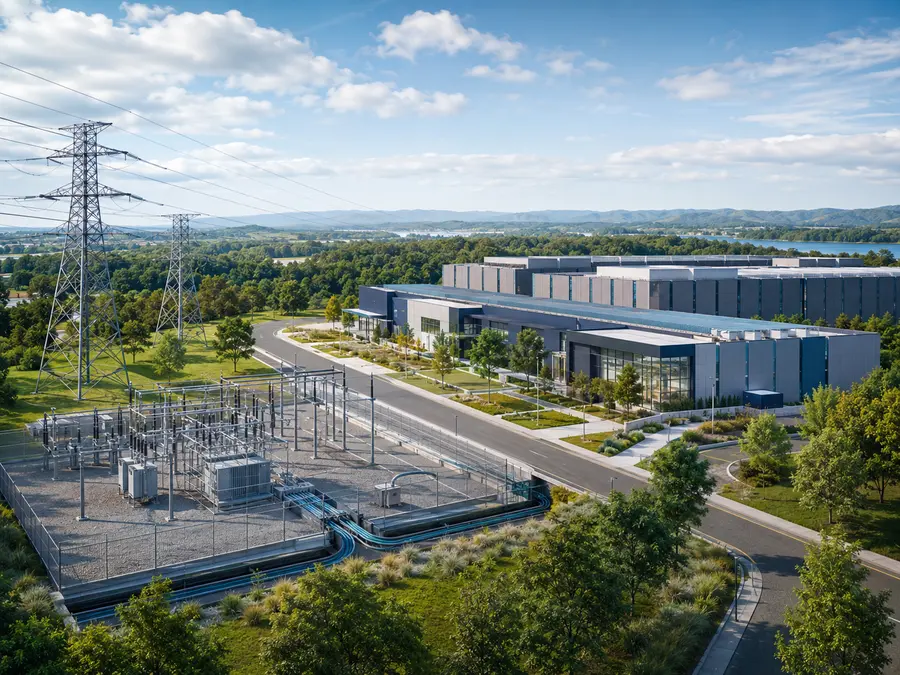
Electric grid
Power arrives through a utility substation. Agreements, meters, and tariffs determine capacity and cost, so the facility pays for the electricity it uses. Some data centers also use microgrids to generate and manage part of their own power through on-site generation, battery storage, and utility connections.
Planning ranges are illustrative, not project specifications. Actual consumption and capacity vary with IT load, workload mix, climate, redundancy, operating practices, and facility design.
Services data centers provide today
Data centers are the physical backbone behind many services communities rely on every day. They store, process, protect, and move information so essential systems remain available whenever people need them.
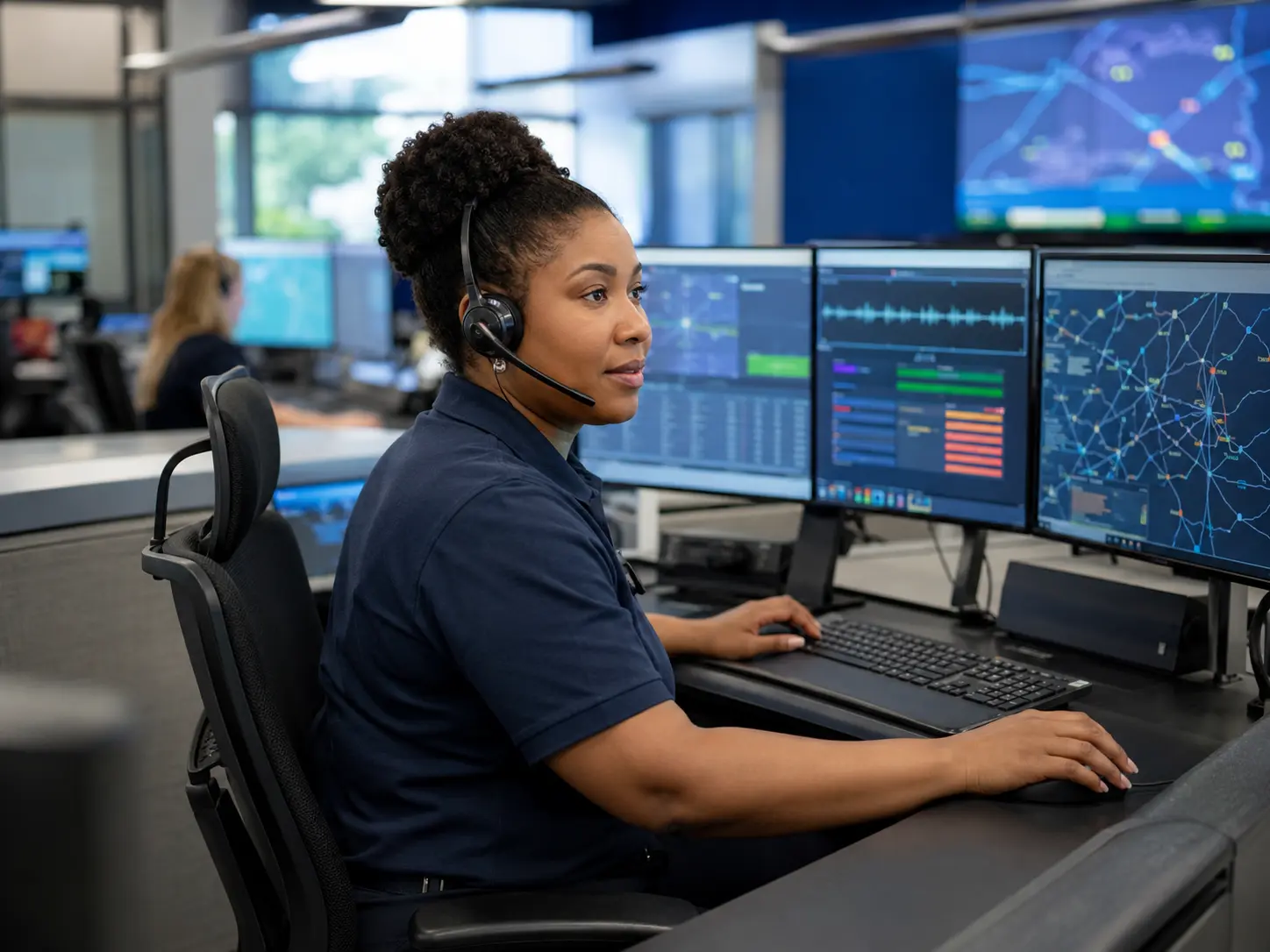
Emergency services
911 systems, dispatch records, alerts, and public-safety communications.

Communications
Email, messaging, video calls, mobile applications, and social platforms.

Banking and payments
Account access, card processing, payroll, transfers, and fraud monitoring.

Healthcare
Patient records, telehealth, imaging, prescriptions, and hospital systems.

Education
Student portals, online learning, research, libraries, and parent applications.

Media and entertainment
Streaming video, music, gaming, news, and digital publishing.

Business services
Websites, collaboration tools, accounting, customer records, and file storage.
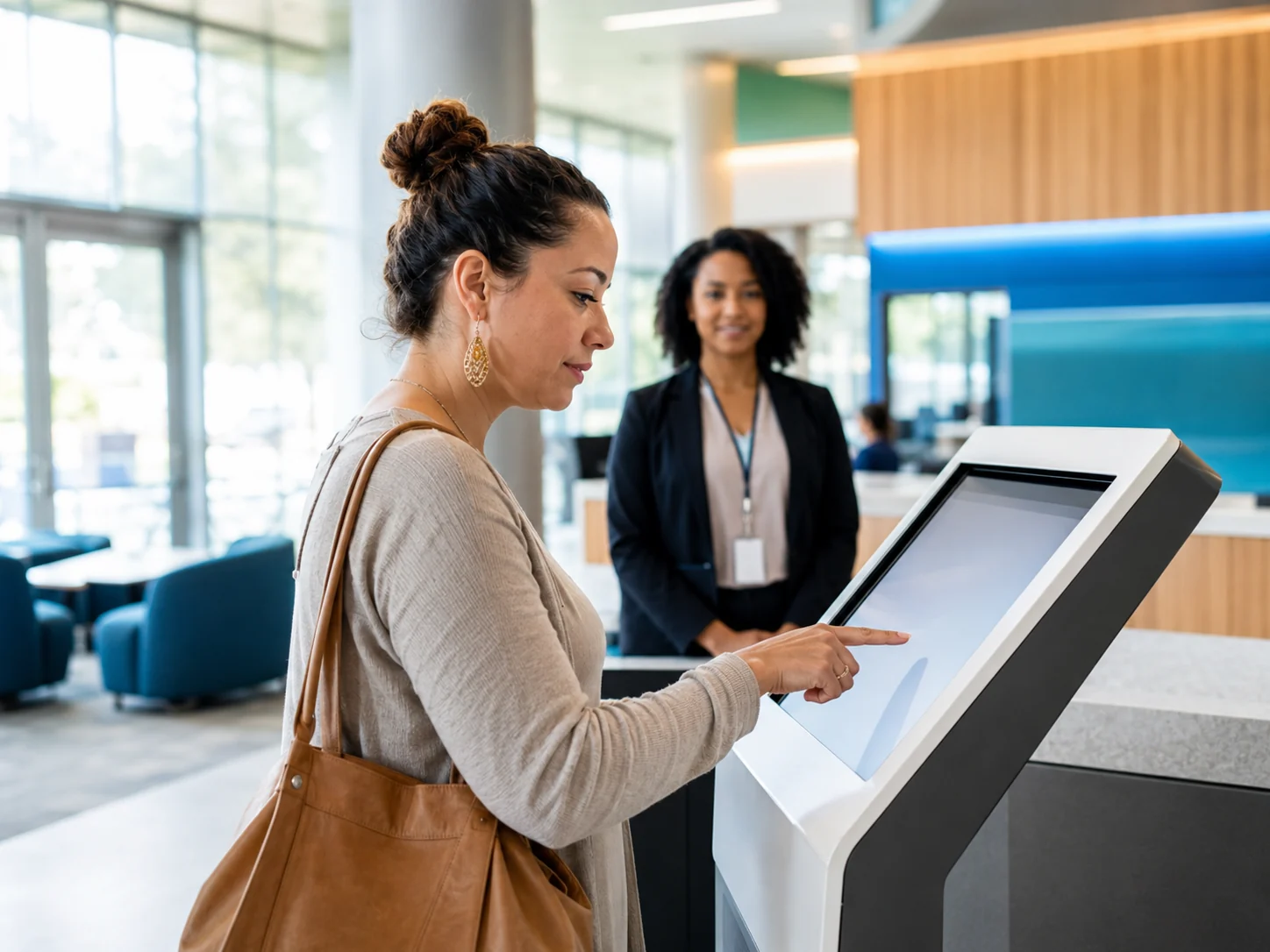
Public services
Government records, benefit systems, tax services, permits, and civic websites.
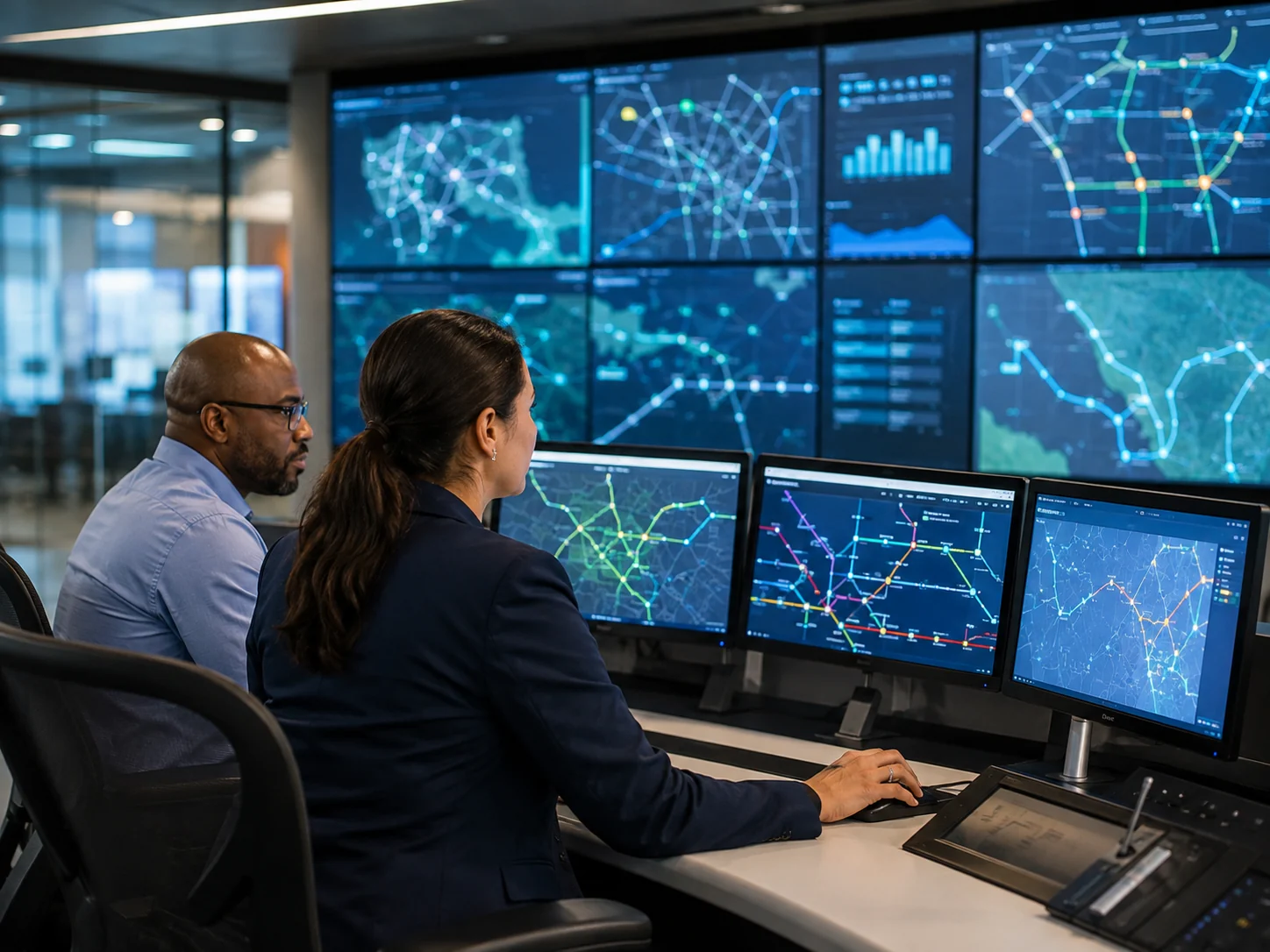
Transportation
Navigation, traffic systems, airline operations, shipping, and fleet tracking.

Commerce
Online shopping, inventory, reservations, order processing, and delivery updates.